
Enemy Force #5: The Failure to Practice Criticism and Self-Criticism
Reflecting on the work is not optional. We must constantly learn from our mistakes and build stronger leaders and organizations.

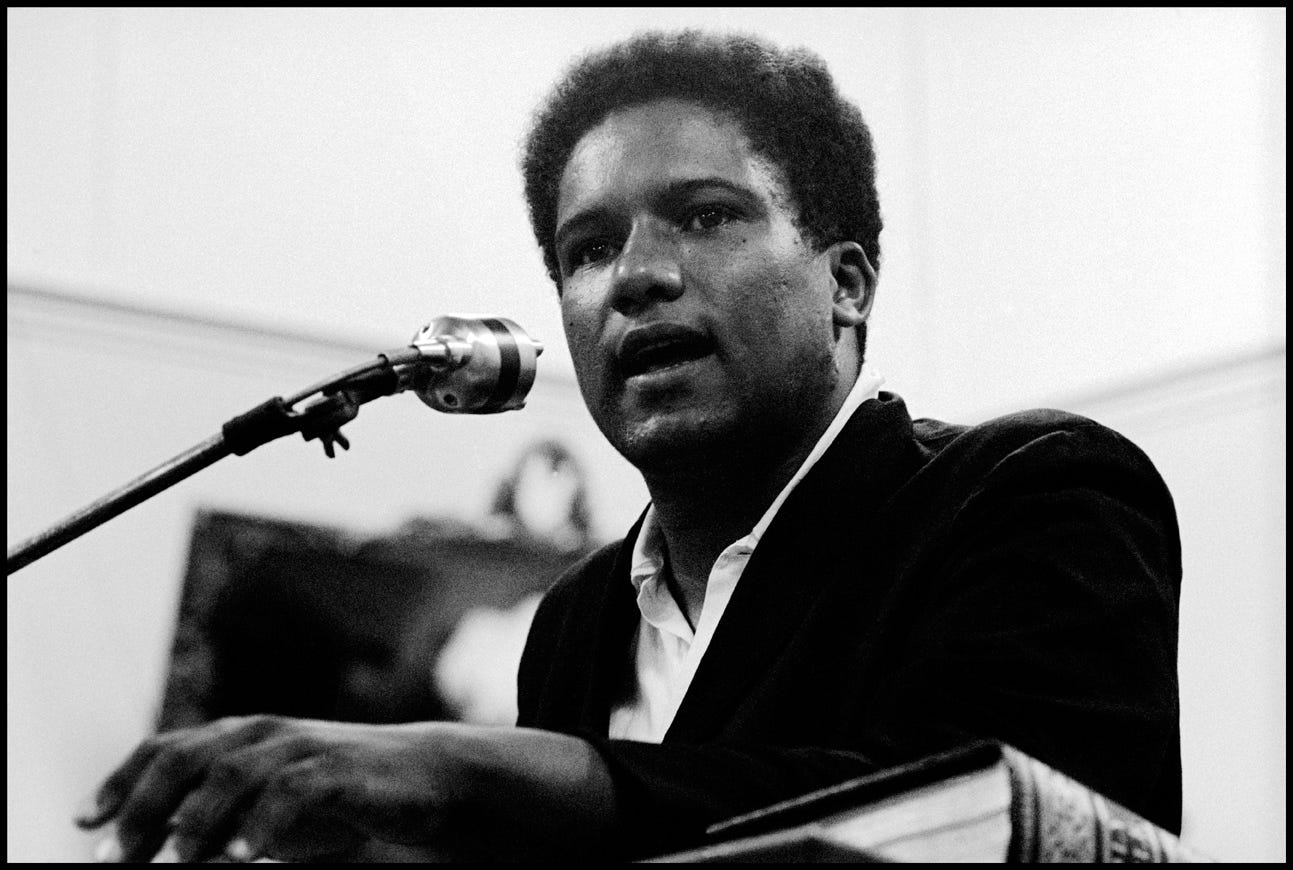
For this section, Forman names the failure to engage in criticism and self-criticism as enemy force #5 that must be combatted within revolutionary organizations. Like with many of these enemy forces, they take on unique challenges when we’re talking about individuals and organizations within the United States, because of the ways we’ve all been shaped by the dominant values of society—or negatively impacted by them.
For example, I have written in the past about how even the most radical or abolitionist among us can still operate from politics of disposability, shame, and punitive thinking. We have internalized the shame that oppressive systems produce within us. We see people as disposable for their mistakes, and we often seek to punish people rather than engage in a process of true accountability.
Of course, there are people who do engage in restorative processes, who have unlearned carceral thinking and operate from a transformative perspective that does not allow shame to stunt growth. But broadly speaking, we still have a ton of work to do in this regard.
These dynamics make the process of engaging in criticism and self-criticism difficult, because people carry real fear about acknowledging their flaws and limitations and what the repercussions might be. Or we may engage in criticism and self-criticism, but only in ways that tear ourselves and others down—again reproducing the logic of the same systems we claim to be working to overthrow.
But here, James Forman is clear that the purpose of criticism and self-criticism is very different. Its role is:
to highlight our strengths and reinforce them
to identify and limit our weaknesses
to build a higher level of unity within our organizations and movements.
This process, like all of organizing, is both art and science. Here, Forman grounds this practice in the science of dialectical materialism—the idea that social life develops through the struggle of contradictions, material conditions, and historical change, and that development can only be understood by recognizing the relationships and interconnectedness between things.. In that sense, criticism and self-criticism are not simply interpersonal practices. They are a method for understanding reality and improving our work through collective analysis.
The process is simple in theory, but as movements we often do not take the time necessary to engage in these practices. Some of the reasons are valid. Organizers and organizations operate with an immense sense of urgency because they are working with people who are directly impacted by police violence, poverty, housing instability and more. Rightfully so, they are often working to meet people’s needs and the demand is extremely high.
Secondly, there is a concern about becoming one of those armchair revolutionaries that does a whole lot of talking and working from a desk, rather than doing the critical work that our communities need.
But Forman makes it clear that this practice is not optional. It’s a requirement for our organizations to grow, to learn from our mistakes and continue developing both our organizations and the people within them. This is a form of leadership development that is just as important as ensuring that people are fed, protected and actually developing strong organizational practices that will allow for more effective strategies and ultimately mean more tangible and material wins for our communities.
Forman argues that once actions are taken and plans are implemented, if we fail to engage in criticism and self-criticism, we fail to learn and failure will compound.
What worked? What didn’t?
Where was strength demonstrated?
Where did weakness show up?
If we were to engage in this action again, what refinements would we make to make it more effective?
We study strengths to maximize them. We study weaknesses to eliminate them. But Forman adds an important rule: criticism and self-criticism must stem, above all else, from a desire for unity.
We’ve been deeply socialized into a version of critique that tears down without building up. We critique celebrities, politicians, organizations we have no relationship with, and people we will never organize alongside. We even critique the contradictions of other countries or struggles that we have no intention of taking responsibility for changing ourselves. Sometimes it feels cathartic. Catharsis can feel like movement, but it is ultimately individual. It centers personal release rather than the shared responsibility of collective struggle, and when left unexamined, it can quietly replace the harder work of organization, discipline, and sustained commitment.
Forman’s framework is different. Revolutionary criticism is collective. It is rooted in relationships. Its purpose is to strengthen individuals and organizations, not fracture them.
Criticism that only names what’s wrong—without acknowledging what’s right or offering a path forward—is shallow, and more often than not it leads to internal conflict rather than growth. Forman reminds us that no action is entirely negative. If we are serious about learning, we must always ask not only where things fell short, but also what worked and how we can build on it.
Unity must be at the center of this process. That requires a willingness to challenge one another with care and intention, and to take responsibility not just for our own development but for each other’s growth as well. If our critiques are not grounded in a desire for collective growth, are not part of building a healthy organizational culture, and are not offered with the intention of helping us improve, then they are not worth sharing.
Forman also reminds us that organizations succeed and fail collectively. It is easy to isolate problems onto individuals when things go wrong, but revolutionary organizations must recognize that everyone shares responsibility for the outcomes of their work. We are responsible for each other and our collective work.
Also, just some practical lessons that come up for me. One, if you choose to engage in this type of process, ensure that you are creating a container that can actually hold the conversation. Self-criticism and criticism is not something that happens ad hoc, during an action or campaign, or without preparation. We’ve all experienced getting feedback at the wrong time, and ultimately that will cause people to shut down rather than open them up. These conversations are often difficult and particularly uncomfortable because we do not exist within a culture that nurtures these practices. So creating the proper container is necessary.
Secondly, I am a believer that if you are to engage in tough love, you must first love the people you’re engaging with. Otherwise, you’re likely just being an asshole. I am not saying that criticism and self-criticism is “tough love,” but the core of my point is that we must take the time to develop relationships, operate with care for one another, and hold that these processes are about building up a revolutionary culture that is committed to the transformation of individuals and society, and both those things must be love-inspired.
Forman is also clear that leadership plays a decisive role here. Leadership must set the tone for whether criticism and self-criticism are normal practices within an organization. When leadership models humility, reflection, and openness to critique, these practices become part of the culture. When leadership becomes authoritarian, people stop speaking honestly—and the organization begins to decay.
As Forman ultimately reminds us, criticism and self-criticism that strives to build unity and transform incorrect habits is “the most valuable weapon that a revolutionary organization possesses.”
A Practical Frame: Roses, Thorns, and Seeds
In our organization, we use a simple framework after major initiatives:
Roses: What worked? What were the strengths?
Thorns: What didn’t work? What caused harm or friction?
Seeds: What can be adapted, improved, or grown next time?
I’ve long believed that experience alone does not produce wisdom. Plenty of people live long lives without learning much from them. The same is true of organizations. What turns experience into knowledge is reflection. And without structured reflection, we are doomed to repeat our mistakes—just as we are doomed to repeat history if we refuse to study it.